
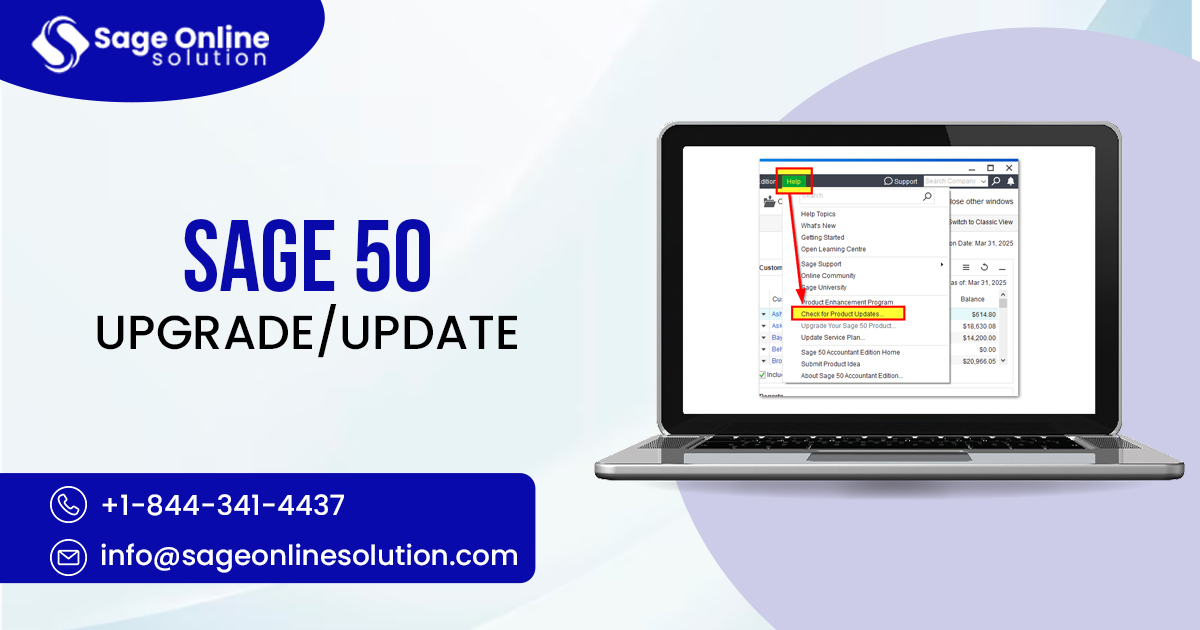
Upgrading accounting software on a new computer is one of those tasks that looks simple on the surface but can quickly become stressful if the right steps are missed. A sage 50 upgrade involves more than just installing the program again—it requires careful handling of company data, licenses, user settings, and compatibility checks. Many businesses move to a new system to improve performance, replace aging hardware, or prepare for newer operating systems, but without a proper process, the risk of data loss or downtime increases.
If you are planning a sage 50 upgrade and want to make sure everything works smoothly from day one, following a structured and proven approach is essential. For users who want guided help during the initial planning stage, professional assistance is often available at sage 50 upgrade +1-844-341-4437, which many businesses rely on when transitioning to a new machine.
This guide explains each step in detail so you can upgrade safely, protect your financial data, and continue operations without disruption.
Understanding What a Sage 50 Upgrade Really Means
A sage 50 upgrade on a new computer usually includes three key elements:
Installing the correct version of Sage 50 that matches your business needs
Moving company data securely from the old system
Ensuring licenses, updates, and system settings are properly applied
Unlike a simple reinstall, an upgrade must account for historical data, payroll records, inventory files, and user permissions. Skipping preparation often leads to file errors, access issues, or version conflicts later.
Why Businesses Choose to Upgrade Sage 50 on a New Computer
There are several practical reasons companies decide to upgrade:
The old system is slow or no longer reliable
A newer operating system is not supported on the old machine
Performance improvements are needed for large data files
Security standards require updated software
A new computer combined with a proper sage 50 update can significantly improve speed, stability, and reliability for daily accounting tasks.
Pre-Upgrade Checklist: What to Do Before You Start
Preparation is the most important phase of a successful sage 50 upgrade. Before installing anything on the new computer, complete the following steps.
Verify Your Current Sage 50 Version
Open Sage 50 on your existing system and check the exact version and release number. This ensures compatibility when you install the software on the new computer.
Confirm System Requirements
Make sure the new computer meets or exceeds the requirements for your Sage 50 version. This includes:
Supported Windows version
Sufficient RAM and storage
Proper user permissions
Back Up Company Data
Create a full backup of all company files. Store the backup on:
An external drive
A secure network location
Encrypted cloud storage
Never rely on a single backup copy.
Record License and Registration Details
Keep your serial number, registration name, and activation details handy. You will need them during installation.
Installing Sage 50 on the New Computer
Once preparation is complete, you can move forward with installation.
Step 1: Download the Correct Installer
Use the official installer for your version. Installing a mismatched release can prevent your data from opening correctly.
Step 2: Run the Installation as Administrator
Right-click the installer and choose Run as Administrator to avoid permission issues.
Step 3: Choose the Correct Installation Type
Select the setup that matches your environment:
Single-user installation
Multi-user workstation or server installation
This choice directly affects how data is accessed later.
Restoring Company Data After Installation
After installation, restoring data correctly is critical.
Use the Backup Restore Option
Open Sage 50 on the new computer and choose the restore function. Select the backup created earlier.
Verify Data Integrity
Once restored:
Open each company file
Check balances, customers, vendors, and reports
Confirm payroll and tax information
This step ensures the sage 50 upgrade preserved all records accurately.
Applying a Sage 50 Update After the Upgrade
A sage 50 update ensures your software includes the latest fixes and compatibility improvements.
Why Updates Matter
Updates address:
Security improvements
Performance issues
Compatibility with Windows updates
How to Apply Updates
Use the built-in update tool or download the latest patch that matches your installed version. Always back up data before applying updates.
Migrating to a Multi-User Environment
If your business uses Sage 50 across multiple workstations, additional steps are required.
Configure Network Access
Ensure the company data folder is shared with proper permissions.
Install Workstations Correctly
Each workstation must be installed using the correct option so it points to the shared data location.
Test Simultaneous Access
Have multiple users log in at the same time to confirm stability.
Common Issues During a Sage 50 Upgrade and How to Avoid Them
Data File Version Errors
These occur when the installed software version does not match the data file version. Always upgrade the software first.
Permission and Access Problems
Run Sage 50 with administrative rights during setup and ensure users have full access to data folders.
Missing Components
Some errors occur when Windows components are outdated. Keeping the system updated reduces this risk.
Best Practices for a Smooth Upgrade Experience
Never rush the process
Always verify backups before proceeding
Test everything before going live
Keep documentation of changes
A carefully executed sage 50 upgrade reduces downtime and protects critical financial data.
Post-Upgrade Validation Checklist
After completing the upgrade:
Run key financial reports
Verify opening balances
Check tax tables and payroll
Confirm printing and email functions
This final review ensures daily operations continue without surprises.
When Professional Help Makes Sense
While many users can complete a sage 50 upgrade independently, complex environments with large data files or multiple users often benefit from expert assistance. Professional support can help diagnose issues quickly and ensure the upgrade follows best practices recommended for Sage products.
Frequently Asked Questions
How long does a Sage 50 upgrade usually take?
For a single-user setup, it can take one to two hours. Multi-user environments may require additional time for testing.
Will my historical data remain intact after the upgrade?
Yes, if backups are created and restored properly, all historical data remains accessible.
Is a Sage 50 update different from an upgrade?
Yes. An upgrade involves installing the software on a new system or newer version, while an update applies patches and fixes within the same version.
What should I do if the data will not open on the new computer?
This often indicates a version mismatch. Installing the correct release usually resolves the issue.
Can I get help during the upgrade process?
Yes, many users choose guided assistance during critical steps to reduce risk and downtime.
Final Thoughts
A sage 50 upgrade on a new computer does not have to be complicated or risky when approached with proper planning and careful execution. By preparing backups, installing the correct version, restoring data accurately, and applying the right sage 50 update, businesses can transition smoothly and maintain confidence in their financial records. For those who prefer expert guidance through the final checks or troubleshooting stages, trusted help for a sage 50 upgrade +1-844-341-4437 is often the fastest way to ensure everything runs exactly as expected.